


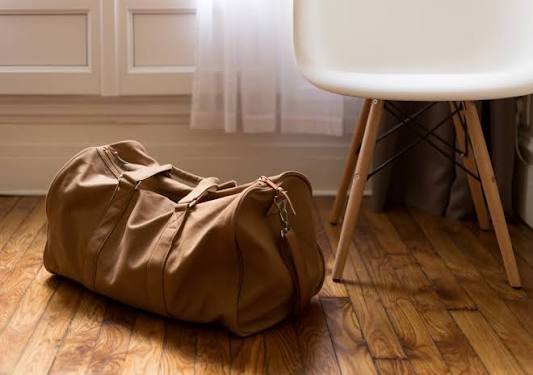
Going to rehab for alcohol or drug misuse is an important first step toward a healthier and more balanced life. Preparing properly can make your stay more comfortable and allow you to focus on your recovery.
Because every rehabilitation facility has its own rules, it is important to contact the facility before your arrival and ask for its specific packing list. Some items may be provided by the facility, while others may be prohibited for safety reasons.
What Clothes Should You Pack for Rehab?
Choose comfortable, modest, and practical clothing suitable for everyday activities. Avoid clothing that is too revealing or contains references to alcohol, drugs, or other potentially triggering themes.
Consider packing:
Short- and long-sleeve shirts
Comfortable trousers or jeans
Comfortable everyday shoes
Sportswear for physical activities
Pajamas
Slippers
A robe
Underwear
Seasonal clothing
A swimsuit, if permitted
One slightly more formal outfit for special occasions
If the rehabilitation center provides laundry facilities, you may not need to bring a large amount of clothing.
Toiletries to Bring to Rehab
You can usually bring your everyday personal hygiene products. However, some facilities may restrict products containing alcohol or certain ingredients.
Useful toiletries may include:
Toothbrush and toothpaste
Shampoo and conditioner
Hairbrush or comb
Deodorant
Moisturizer
Shaving cream
Sunscreen
Makeup
Feminine hygiene products
Over-the-counter medications, vitamins, and supplements should only be brought if they are permitted by the rehabilitation facility.
Personal Items You Can Bring
A few personal belongings can help you feel more comfortable and stay connected with family and friends during your treatment.
Consider bringing:
Passport or other identification
Prescription medications in their original containers
Insurance documents
A small amount of cash
Credit or debit card
Contact information for family and friends
Books and other approved reading materials
Envelopes and stamps
A journal or notebook
Photos of family and friends
What Should You Not Bring to Rehab?
Every facility has different rules, so always check the specific prohibited-items list before packing.
Generally, you should not bring:
Alcohol
Illegal drugs
Cigarettes or e-cigarettes
Prescription medication that is not prescribed to you
Medication that is not in its original packaging
Weapons or sharp objects
Scissors or other potentially dangerous items
Valuable jewelry and expensive personal belongings
Clothing that references alcohol or drug use
Toiletries containing alcohol, such as certain mouthwashes
Nail polish and nail polish remover
Aerosol products
Candles
Food and drinks, unless specifically permitted
Items That May or May Not Be Allowed
Some facilities allow certain electronic devices under specific conditions, while others do not. Always confirm before bringing them.
These may include:
Mobile phones
Laptops
Tablets
Smartwatches
E-readers
Cameras
Music players
Vitamins and dietary supplements
Nail clippers and nail files
Razors
Some rehabilitation centers may limit the use of electronic devices to certain times of the day.
Final Tips for Packing for Rehab
The goal is not to bring everything you own, but to pack the items you genuinely need for a comfortable and successful rehabilitation experience.
Before your arrival:
Ask the facility for its official packing list.
Check which toiletries and medications are permitted.
Find out whether laundry services are available.
Avoid bringing valuable or unnecessary belongings.
Make sure all required identification and medical documents are ready.
Confirm the rules regarding phones, laptops, and other electronic devices.
A little preparation can make your transition into rehabilitation much easier, allowing you to focus on what matters most: your recovery and well-being.
Because every rehabilitation facility has its own rules, it is important to contact the facility before your arrival and ask for its specific packing list. Some items may be provided by the facility, while others may be prohibited for safety reasons.
What Clothes Should You Pack for Rehab?
Choose comfortable, modest, and practical clothing suitable for everyday activities. Avoid clothing that is too revealing or contains references to alcohol, drugs, or other potentially triggering themes.
Consider packing:
Short- and long-sleeve shirts
Comfortable trousers or jeans
Comfortable everyday shoes
Sportswear for physical activities
Pajamas
Slippers
A robe
Underwear
Seasonal clothing
A swimsuit, if permitted
One slightly more formal outfit for special occasions
If the rehabilitation center provides laundry facilities, you may not need to bring a large amount of clothing.
Toiletries to Bring to Rehab
You can usually bring your everyday personal hygiene products. However, some facilities may restrict products containing alcohol or certain ingredients.
Useful toiletries may include:
Toothbrush and toothpaste
Shampoo and conditioner
Hairbrush or comb
Deodorant
Moisturizer
Shaving cream
Sunscreen
Makeup
Feminine hygiene products
Over-the-counter medications, vitamins, and supplements should only be brought if they are permitted by the rehabilitation facility.
Personal Items You Can Bring
A few personal belongings can help you feel more comfortable and stay connected with family and friends during your treatment.
Consider bringing:
Passport or other identification
Prescription medications in their original containers
Insurance documents
A small amount of cash
Credit or debit card
Contact information for family and friends
Books and other approved reading materials
Envelopes and stamps
A journal or notebook
Photos of family and friends
What Should You Not Bring to Rehab?
Every facility has different rules, so always check the specific prohibited-items list before packing.
Generally, you should not bring:
Alcohol
Illegal drugs
Cigarettes or e-cigarettes
Prescription medication that is not prescribed to you
Medication that is not in its original packaging
Weapons or sharp objects
Scissors or other potentially dangerous items
Valuable jewelry and expensive personal belongings
Clothing that references alcohol or drug use
Toiletries containing alcohol, such as certain mouthwashes
Nail polish and nail polish remover
Aerosol products
Candles
Food and drinks, unless specifically permitted
Items That May or May Not Be Allowed
Some facilities allow certain electronic devices under specific conditions, while others do not. Always confirm before bringing them.
These may include:
Mobile phones
Laptops
Tablets
Smartwatches
E-readers
Cameras
Music players
Vitamins and dietary supplements
Nail clippers and nail files
Razors
Some rehabilitation centers may limit the use of electronic devices to certain times of the day.
Final Tips for Packing for Rehab
The goal is not to bring everything you own, but to pack the items you genuinely need for a comfortable and successful rehabilitation experience.
Before your arrival:
Ask the facility for its official packing list.
Check which toiletries and medications are permitted.
Find out whether laundry services are available.
Avoid bringing valuable or unnecessary belongings.
Make sure all required identification and medical documents are ready.
Confirm the rules regarding phones, laptops, and other electronic devices.
A little preparation can make your transition into rehabilitation much easier, allowing you to focus on what matters most: your recovery and well-being.