


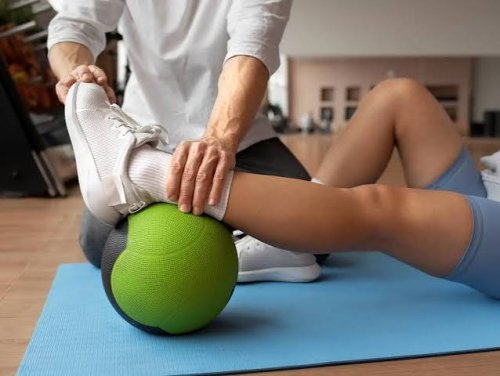
Recovery after surgery, injury, or a long-term illness is a very important stage for a patient. During this period, physiotherapy plays a significant role in the rehabilitation and recovery process. Physiotherapy helps restore mobility and body functions, manage pain, and prevent possible future complications through individually designed treatment plans. It includes various approaches such as manual therapy, patient education, and specially designed exercises. A physiotherapist helps patients regain their strength, movement, and coordination after illness, injury, or surgery. The main goal of physiotherapy is to improve the patient’s quality of life. Let’s explore the main roles of physiotherapy in rehabilitation:
Identifying the Root Cause of the Problem
Finding the actual cause of a problem is essential for successful rehabilitation and recovery. A physiotherapist evaluates the patient’s muscle strength, pain and tension levels, coordination, and movement abilities. This assessment helps identify hidden factors that may slow down recovery, including muscle weakness, incorrect movement patterns, and habits that place extra stress on the joints. The next step is creating an individual treatment plan. This plan includes exercises to improve mobility, increase comfort, and strengthen muscles. Special techniques may also be used to improve joint movement and reduce muscle tension. As the patient’s condition improves, the treatment plan is adjusted to ensure continuous recovery progress.
Restoring Strength and Mobility
Restoring the body’s basic functions is one of the most important parts of rehabilitation.
The main benefits of physiotherapy include:
improving muscle strength;
increasing flexibility;
developing balance and coordination;
restoring joint mobility;
improving functional movement.
These improvements help patients perform daily activities more easily and reduce the risk of future injuries.
Pain Management for Long-Term Recovery
Physiotherapy is one of the effective methods for reducing pain and supporting the recovery process.
It helps relieve discomfort through:
therapeutic exercises;
manual therapy;
massage techniques;
stretching exercises.
These methods help maintain movement in the body or affected areas and improve overall functionality. This is why physiotherapy plays an important role in pain management and recovery.
Building Confidence and Independence
Restoring mobility and self-confidence is an important part of the rehabilitation process. With physiotherapy, patients can perform daily activities more safely and comfortably. Treatment helps individuals regain independence and improve their quality of life.
Patients can gradually find it easier to:
walk;
stand up;
climb stairs;
perform everyday movements.
These improvements allow people to become more active and independent in their daily lives.
When Treatment Comes to You
During the recovery process, some patients may not be able to visit a clinic. In such cases, home-based physiotherapy can be an effective solution. Home therapy allows specialists to adapt exercises to the patient’s real living environment while providing the same high-quality professional support in a comfortable setting. This approach is especially beneficial for people recovering from serious injuries or those with limited mobility.
Long-Term Health and Prevention
An effective recovery program does not end after a few treatment sessions. Through physiotherapy, patients learn how to stay active safely, prevent recurring discomfort, and maintain their physical strength. Many patients continue to consult with specialists periodically to ensure that their recovery process continues in the right direction.
A qualified physiotherapist plays an essential role in rehabilitation and recovery. They help patients regain physical abilities, confidence, and independence. Physiotherapy helps reduce pain, improve movement flexibility, and enhance overall quality of life. By combining assessment, therapeutic procedures, and professional guidance, physiotherapy becomes an important part of effective rehabilitation and long-term health maintenance.