


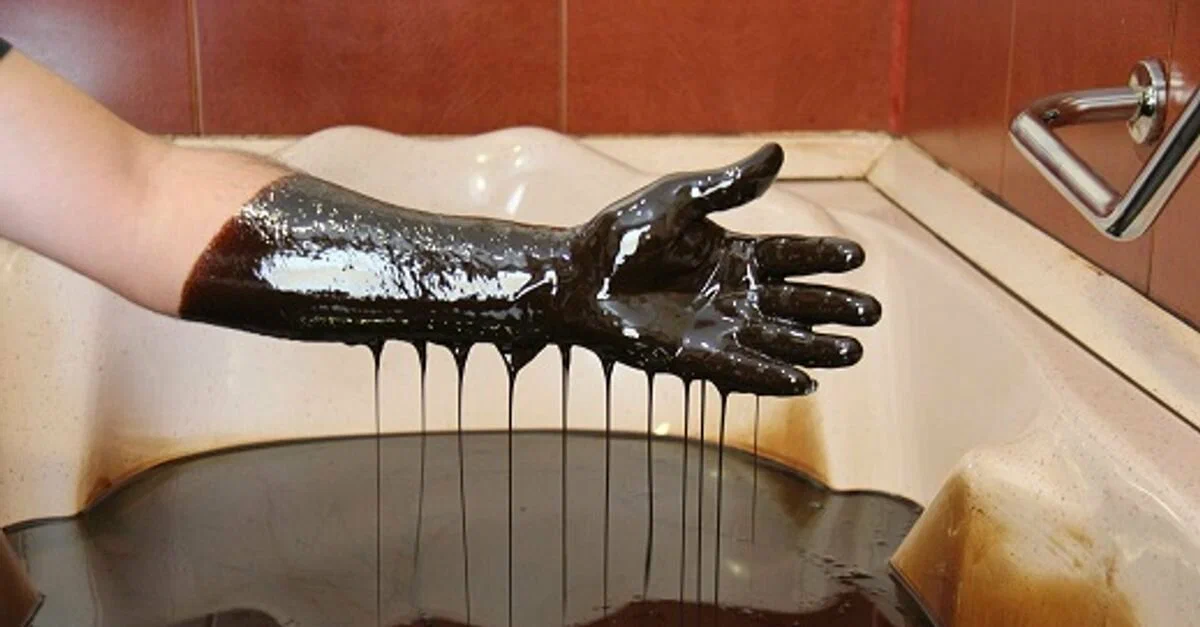
Paraffin therapy is one of the most popular procedures at modern sanatoriums, known for its remarkable properties in skin care and improving joint health. The procedure is based on the effect of warm paraffin on the skin and joints, which improves circulation, relaxes muscles, and stimulates regeneration and renewal processes.
This method is not only highly effective, but also completely safe — paraffin does not cause skin irritation and is suitable for most skin types. Paraffin therapy at a sanatorium also serves as an excellent relaxation and recovery method that contributes to the overall health of the body.
The Paraffin Therapy Procedure: Benefits for Skin and Joints
Paraffin therapy as applied at a sanatorium offers numerous benefits for both the skin and the joints. One of the greatest advantages of this method is the improvement it brings to the condition of the skin. The procedure helps moisturise and nourish the skin, eliminating dryness, flaking, and fine lines. Paraffin has an active effect on the upper layers of the skin, opening pores and enabling deep cleansing. This helps not only to improve outward appearance, but also to ease the symptoms of various skin conditions such as eczema, dermatitis, and psoriasis.
Paraffin therapy also brings significant benefits for the joints. Warm paraffin improves blood circulation, reduces inflammation, and alleviates pain — particularly in cases of joint conditions such as arthritis, arthrosis, or osteochondrosis. This is especially valuable for people who suffer from chronic pain or restricted movement. Paraffin therapy stimulates metabolic processes in the tissues and speeds up their recovery.
Mud Therapy or Peloidotherapy
Mud therapy is one of the oldest methods of combating various diseases. The term comes from the Greek word "pelos", meaning clay or silt. The procedure is indeed based on the use of mud of mineral and organic origin. This method was used in Ancient Egypt and China, where local healers applied silt extracted from river beds generously to patients' bodies.
This treatment has survived to the present day and is now actively used as an effective physiotherapeutic procedure at sanatoriums and rehabilitation centres. Mud therapy has proved its effectiveness. Despite advances in medicine and the emergence of modern therapeutic methods, it is officially recognised by the medical community and scientists alike.
The Benefits of Mud Therapy
Not every type of mud has therapeutic properties. For mud to have healing qualities, it must contain water, minerals, and organic substances. In addition, it must have a finely dispersed structure, an ointment-like consistency, a degree of homogeneity, and specific heat capacity.
The therapeutic properties of mud compositions depend on two factors:
- The geographical location of the source;
- The microbial composition.
In terms of sources, mud can be of freshwater, marine, volcanic, peat, or hydrothermal origin. The types of therapeutic mud include:
- Sapropel mud — extracted from the bottom of freshwater bodies (mainly in the Kuban and Altai regions);
- Peat mud — obtained from peat bogs, rich in plant decomposition products, and known for its strong warming effect;
- Sulphide or silt mud — extracted from the bottom of salt lakes (in the North Caucasus and Caucasian Mineral Waters region), rich in minerals and salts;
- Thermal mud — formed as a result of the interaction between deep volcanic rocks and carbon dioxide, with good acidic properties;
- Volcanic mud — obtained from the rocks of mud volcanoes; contains bromine and iodine.
The most important criterion for mud quality, however, is its microbial composition. There is no need to be alarmed by the word "microbe" — science has long established that many of them are beneficial to our bodies. These microbes are the result of the life activity of microorganisms living in silt deposits. It is they that enrich mud with ammonia compounds and hydrogen sulphide, which enables the skin to absorb substances more effectively. Mud also contains formic, humic, and acetic acids, which have an irritating effect on the skin. It also includes other biologically active substances of organic origin: lipids similar in effect to oestrogens, folliculin and synoestrol, stimulators of biological processes, and even natural antibiotics.