


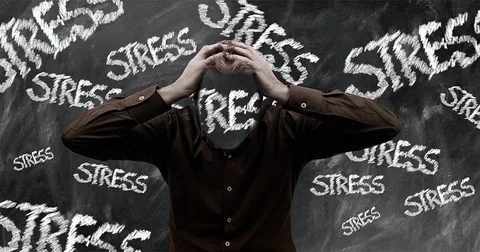
Stress is a natural part of everyday life, and everyone experiences stressful situations from time to time. Short-term stress can help the body respond quickly to challenging situations. However, ongoing or chronic stress can negatively affect both physical and mental well-being.
When you experience stress, your body releases stress hormones that increase your heart rate and breathing and prepare your muscles to respond. If this response continues for a long time, it can place additional strain on different systems of the body.
Common Signs of Stress
Chronic stress can affect both your physical and emotional well-being. Common symptoms include:
- irritability and tension;
- anxiety;
- headaches;
- sleep problems;
- ongoing fatigue;
- difficulty concentrating.
How Does Stress Affect the Nervous System?
During stressful situations, the brain signals the body to prepare for a potential threat. Stress hormones are released and the body becomes more alert.
When stress continues for a long period, the body may have difficulty returning to a relaxed state. Chronic stress can also contribute to unhealthy habits, such as poor eating patterns and social withdrawal.
Effects on the Heart and Respiratory System
Stress can temporarily increase heart rate and breathing. This is a normal response to an immediate stressful situation. However, frequent or prolonged stress can place additional strain on the cardiovascular system.
Managing long-term stress is therefore an important part of maintaining overall well-being.
Effects on the Digestive System
Stress can also affect digestion. Some people may experience stomach discomfort, nausea, constipation, or diarrhea during stressful periods.
Stress may also influence eating habits, making balanced nutrition and adequate fluid intake especially important.
Effects on the Muscles
When you are stressed, your muscles may become tense as the body prepares to respond to a perceived threat. If this tension continues, it can contribute to headaches and discomfort in the neck, shoulders, and back.
Walking, gentle physical activity, and relaxation exercises may help reduce muscle tension.
Effects on the Immune System
Short-term stress can temporarily stimulate certain immune responses. However, prolonged stress may interfere with normal immune function.
This can affect the body's ability to respond to illness and recover effectively.
How Can You Reduce Stress?
While it may not be possible to eliminate stress completely, healthy habits can help you manage it more effectively:
- stay physically active;
- maintain a regular sleep schedule;
- follow a balanced diet;
- spend time outdoors;
- practice breathing and relaxation exercises;
- make time for rest during the day;
- organize your concerns and address them step by step.
A peaceful environment, time in nature, relaxation, and appropriate wellness activities at a sanatorium can also provide an opportunity to take a break from everyday pressures.
Conclusion
Long-term stress can affect many aspects of physical and mental well-being. Healthy sleep, regular physical activity, balanced nutrition, relaxation, and effective stress management can support overall health. If stress becomes persistent or significantly affects your daily life, consider speaking with a qualified healthcare professional.